THE NATION’S CAPITAL
Congress
in Princeton
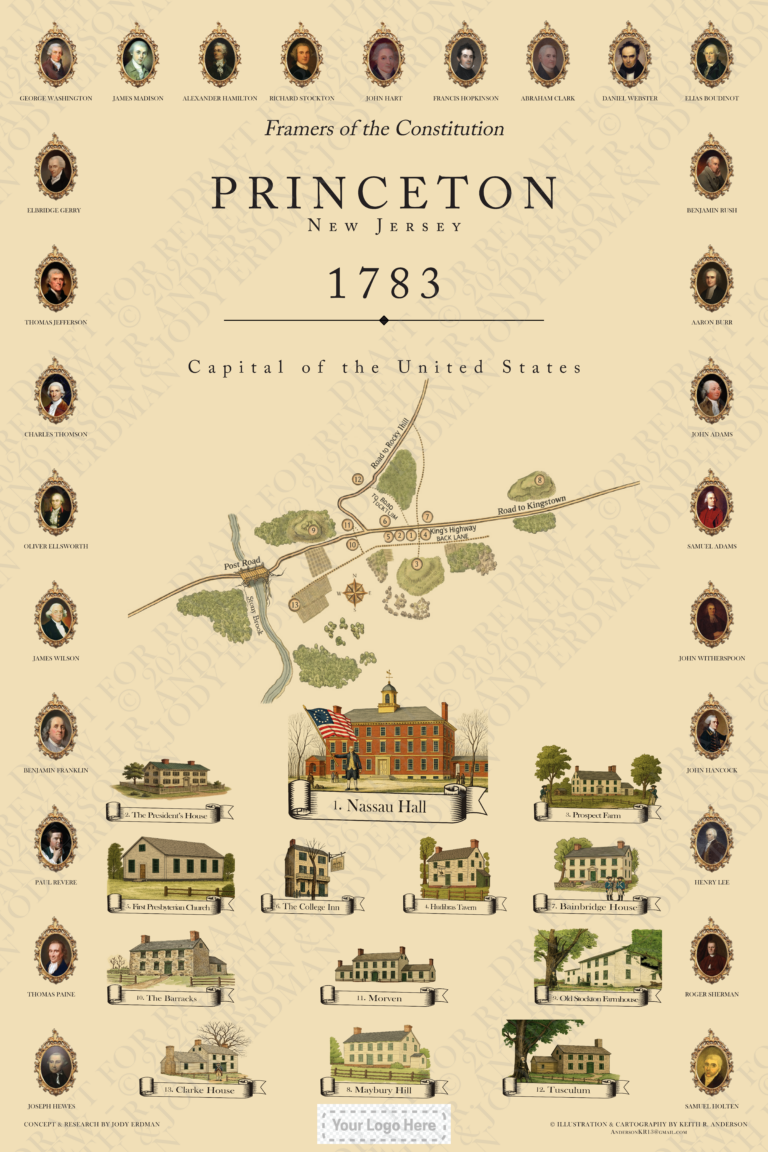
For four months in 1783, Princeton stood at the center of American government. As delegates gathered in Nassau Hall, the town became the temporary capital of a newly independent nation.
A Government on the move
Why Congress Came to Princeton
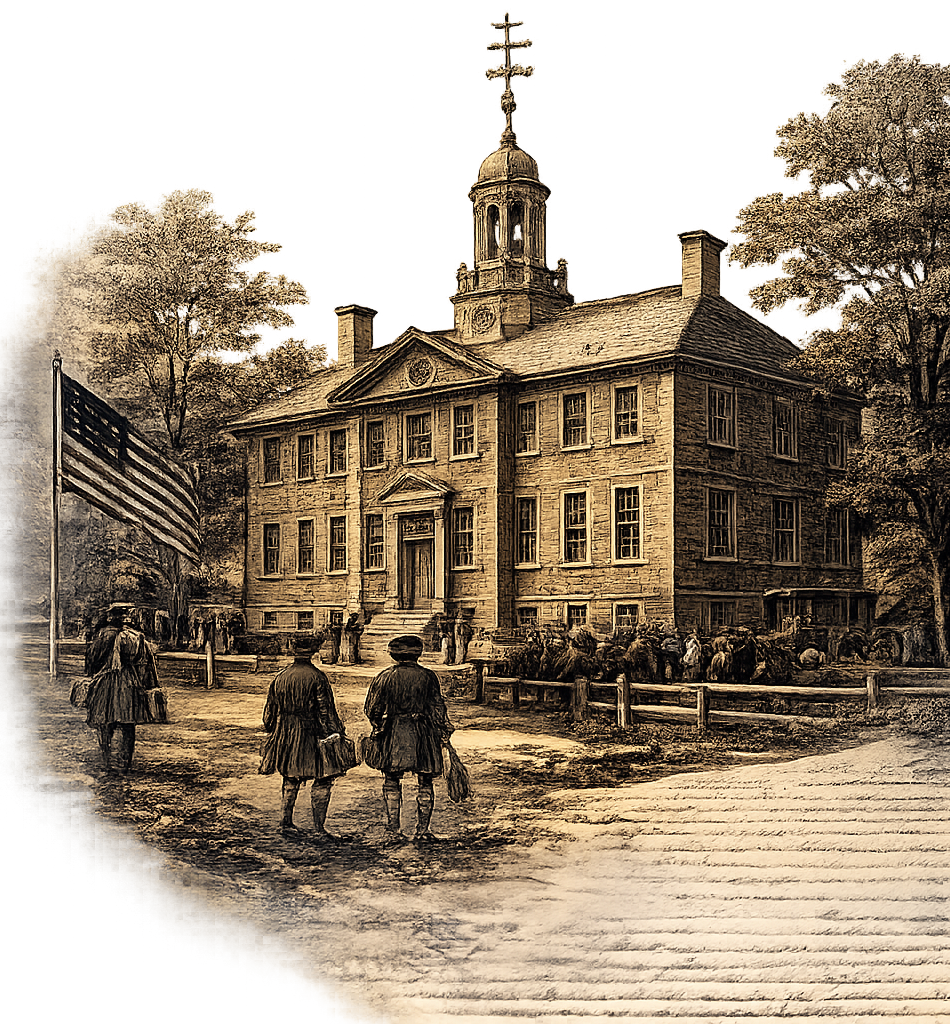
In June 1783, members of the Continental Congress fled Philadelphia after a mutiny by unpaid soldiers threatened the government. Unable to secure protection from Pennsylvania authorities, Congress adjourned and relocated to Princeton, where it would meet inside Nassau Hall.
What followed was one of the most important – and often overlooked – chapters in American history. For a brief period, Princeton served as the capital of the United States
The heart of Government
Nassau Hall and the Continental Congress
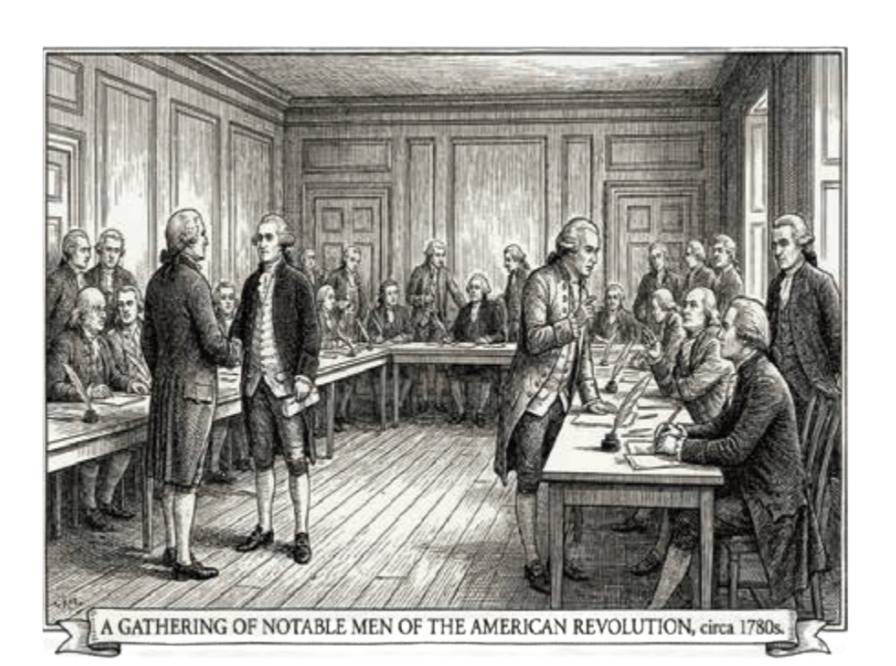
From June through November 1783, Nassau Hall served as the meeting place of the Continental Congress. Within its walls, delegates debated diplomacy, finance, military affairs, and the future direction of the young republic.
Among those connected to Princeton during this period were George Washington, James Madison, Alexander Hamilton, Elias Boudinot, Thomas Jefferson, Roger Sherman, James Wilson, and Oliver Ellsworth.
BEYOND NASSAU HALL
A Town Serving a Nation
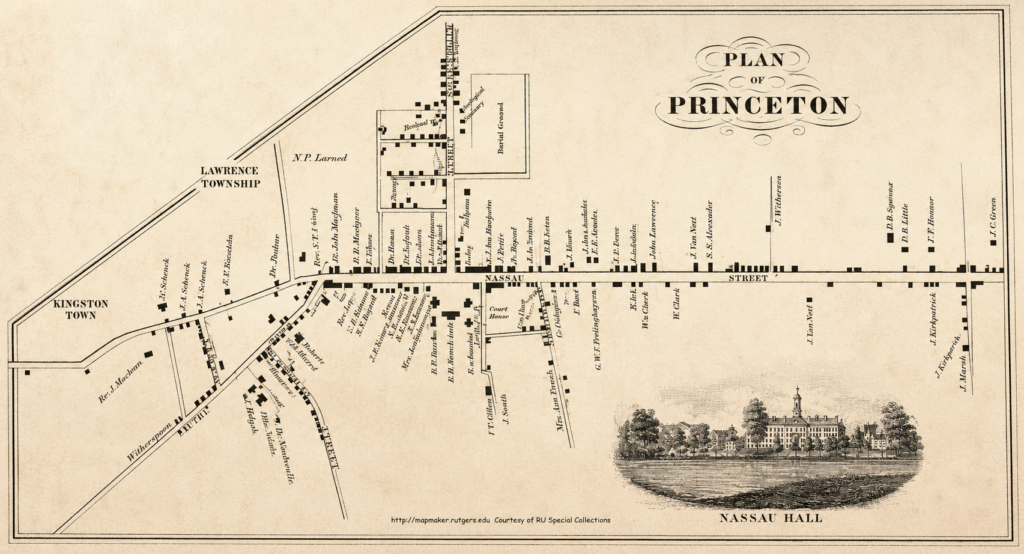
Congress did not operate in isolation. Throughout Princeton, homes and public buildings supported the work of government.
Delegates lodged at the College Inn, conducted official business through Prospect Farm, gathered at taverns, and stayed in private residences while Congress met in Nassau Hall.